A quarter of new cars — from France to Norway
The data comes from InsideEVs, which reported figures from Dataforce covering 98% of new car registrations in the European Union, the United Kingdom, Iceland, Norway and Switzerland. In July 2026, fully electric cars took a 25% market share across that region, while the overall car market grew just 4.1%.
That gap tells the story. From January through July, EV registrations rose 37% compared with the same period last year, while the whole market rose 5.7%. The switch is no longer a niche trend — it is the main growth engine.
The family cars leading the charge
The Skoda Elroq was Europe’s best-selling electric car in July, followed by the Volkswagen ID.4 and the Renault 5 E-Tech. None of Tesla’s models topped the monthly chart, which matters because it shows European buyers are shopping across brands, sizes and price points — not just following one nameplate.
Looking at the first seven months of the year, the Tesla Model Y is still number one with 115,759 registrations, up 55%. The Skoda Elroq sits second with 67,679 units, and the Tesla Model 3 third with 57,086. For families, the Elroq’s rise is notable: it is a compact SUV aimed squarely at parents who need rear-seat space for child seats and a boot that swallows prams, without the price of a larger model.
France and Germany push past three in ten
Two of Europe’s biggest car markets are driving the boom. France reached a 35% fully electric share in July, with more than 44,000 registrations. Germany followed with a 29.3% share and nearly 79,000 battery-electric registrations.
Those numbers mean that in both countries, roughly one in three new cars was electric last month. For anyone waiting for “the right moment” to switch, the market is signalling that the moment arrived without a single dramatic breakthrough — it came from fuel prices, wider model choice and steadily improving charging.
Chinese plug-in hybrids take a third of the PHEV market
Plug-in hybrid sales also rose, reaching 125,530 units in July, up 15%. Chinese brands held a 34% share of that PHEV market and filled much of the top 10 list. The BYD Seal U was the best-selling PHEV, followed by the BYD Atto 2; the Jaecoo 7 took fourth place.
One reason is regulatory: Chinese-built plug-in hybrids are not subject to the same hiked EU import tariffs that apply to battery-electric cars from China. In plain terms, that lets them undercut locally made PHEVs on price. From January through July, the whole PHEV podium was Chinese.
What this means for your household budget
Rising fuel prices are the most likely driver behind July’s surge. When petrol and diesel climb, home charging becomes the calculation many families make at the kitchen table — especially if they can charge overnight on a cheaper tariff.
The right comparison depends on your local electricity price and what you drive. Our EV savings calculator lets you plug in your own fuel costs, electricity tariff and annual mileage to see whether the switch pays off where you live.
Charging: still the question I get asked most
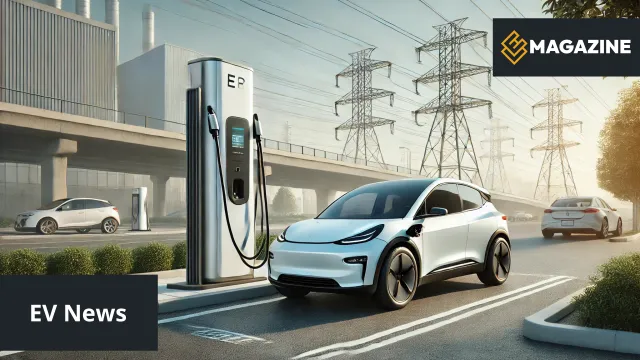
With 277,006 new electric cars registered in a single month, the next question is always: can the network keep up? The honest answer is improving, but uneven. Our own charging map currently lists 483 Supercharger locations across Europe, and Hubject’s 1.1 million charge points now feed Localiser planning data, which helps route planners see more of the network.
Before a holiday with children on board, I still check the route on our Supercharger database — motorway corridors are well covered, but rural and mountain regions can still be thin. Planning one charging stop around a playground rather than a car park remains my best family advice.
What happens next
Watch whether the EU closes the PHEV tariff gap, and whether affordable small EVs like the Renault 5 and Skoda Elroq can keep up with demand. If fuel prices stay high and charging access keeps improving, the quarter-of-new-cars milestone may soon look modest.
Source: https://insideevs.com/news/805888/europe-ev-sales-july-increase/