Data

Volkswagen ID. Polo & ID. Polo GTI: Specs, Prices & Real-World Range Analysis for Europe

VW - volkswagen-newsroom.com
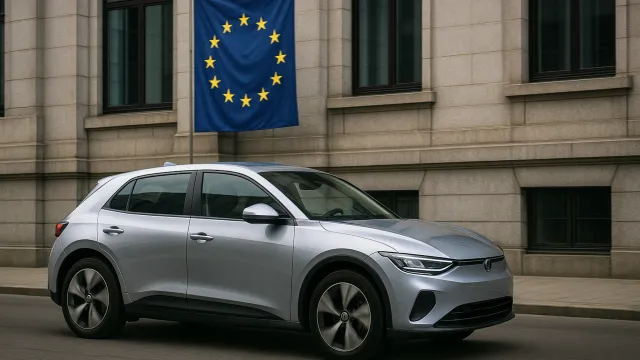
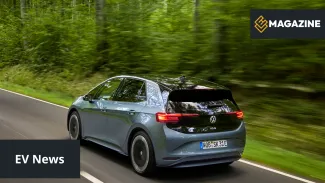
Volkswagen has officially launched the all-electric ID. Polo and the sporty ID. Polo GTI, marking the first time the iconic Polo nameplate goes fully electric. The standard ID. Polo starts at €24,995 in Germany with a 37-kWh battery, while the 52-kWh version begins at €29,195. The GTI variant, with 166 kW (226 PS) and a 0–100 km/h time of 6.8 seconds, will start at under €39,000 when pre-sales begin this autumn. But how do the official WLTP consumption figures translate to real-world driving? We dig into the numbers.
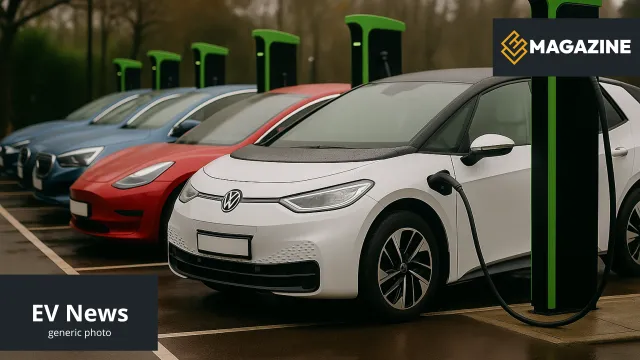
## The ID. Polo: Official Consumption and Battery Options The standard ID. Polo is available with two battery sizes: a 37-kWh entry-level pack and a 52-kWh unit. Volkswagen quotes combined power consumption of 14.6–13.3 kWh/100 km for the 155 kW (211 PS) version. That's impressively low — among the best in the B-segment EV class. For context, the 52-kWh battery should deliver a WLTP range of approximately 390–400 km, depending on equipment. The smaller 37-kWh pack is clearly aimed at urban commuters, with an estimated WLTP range around 280–300 km. What matters more is the real-world figure. In our experience testing dozens of EVs with the family, winter conditions typically reduce WLTP range by 20–30%. Using our real-world range calculator, a 52-kWh ID. Polo would likely deliver around 280–320 km in mixed winter driving — still perfectly adequate for daily commuting and weekend trips. ## ID. Polo GTI: The Numbers Behind the Hype The GTI variant is the one enthusiasts have been waiting for. With 166 kW (226 PS) and 290 Nm of torque going to the front wheels, it matches the spirit of the original 1976 GTI — but with instant electric torque. Volkswagen quotes combined consumption of 16.4–14.4 kWh/100 km for the GTI — about 1–2 kWh/100 km more than the standard model. That's reasonable for a performance variant. The 0–100 km/h sprint takes 6.8 seconds, which puts it in hot hatch territory. The GTI also features an electronically controlled front differential lock as standard — a clever addition that should help manage torque steer, a common issue with high-power front-wheel-drive EVs. ## How Does It Compare to Competitors? The ID. Polo enters a crowded but growing segment. Key competitors include: - MG4 Electric (51 kWh, from ~€28,000) — slightly larger, similar range, but less premium feel - Renault 5 E-Tech (52 kWh, from ~€25,000) — direct competitor with retro styling - Citroën ë-C3 (44 kWh, from ~€23,000) — cheaper but smaller battery - Fiat 500e (42 kWh, from ~€28,000) — more style, less space The ID. Polo's advantage is Volkswagen's established dealer network, the MEB+ platform's efficiency, and the promise of Vehicle-to-Load (V2L) functionality — turning the car into a power source for e-bikes or camping gear. ## European Angle: Made in Spain, Priced for Europe The ID. Polo is built at the SEAT & CUPRA plant in Martorell, Spain, alongside the CUPRA Raval. This is significant for European buyers: it avoids import tariffs and supports local manufacturing. Pricing starts at €24,995 in Germany for the 37-kWh Trend model. That's competitive, though not the cheapest EV on the market. The 52-kWh Life version at €29,195 is where the value proposition strengthens. For comparison, the Volkswagen ID.3 starts at around €36,000 — so the ID. Polo undercuts it by roughly €6,000–€11,000, making it a genuine entry point to the VW EV family. ## What About Charging? Volkswagen hasn't published full charging curves yet, but the MEB+ platform supports DC fast charging at up to 125 kW for the 52-kWh battery. That means a 10–80% charge should take around 25–30 minutes under ideal conditions. Using our supercharger database of 483 European locations, we can estimate charging costs. At current average European public charging prices of €0.45–0.65/kWh, a full 52-kWh charge would cost €23–€34. Home charging at €0.25/kWh would cost just €13 for a full battery. For a typical 100 km trip, the ID. Polo would consume about 14–16 kWh, costing €3.50–€4.00 at home or €6.30–€10.40 at public chargers. Compare that to a petrol Polo consuming 6 L/100 km at €1.60/L — that's €9.60 per 100 km. The savings are clear, especially for home chargers. ## Practical Takeaway: Who Should Buy the ID. Polo? The standard ID. Polo is ideal for: - Urban commuters who drive less than 100 km/day - Two-car households needing a second, efficient city car - First-time EV buyers wanting a familiar nameplate The ID. Polo GTI is for: - Enthusiasts who want hot hatch performance without fuel costs - Drivers who value instant torque and front-wheel-drive dynamics - GTI purists ready to embrace electric ## The Bottom Line Volkswagen has delivered exactly what the European market needs: an affordable, efficient, and well-built small EV with a legendary nameplate. The official consumption figures of 13.3–14.6 kWh/100 km are class-leading, and the GTI variant adds genuine performance credibility. But as always, the real test will come when Bjørn Nyland puts the ID. Polo through his 1000 km challenge and winter range tests. We'll update our EV catalog with real-world numbers as soon as they're available. For now, the ID. Polo looks like a strong contender in the €25,000–€35,000 EV segment — and that's exactly what Europe needs to accelerate the transition away from fossil fuels.

What is the real-world range of the ID. Polo with the 52-kWh battery?

Based on the WLTP consumption of 13.3–14.6 kWh/100 km, expect around 350–390 km in mixed summer driving. In winter, with heating and colder temperatures, real-world range typically drops to 280–320 km. We'll update with Bjørn Nyland's test results when available.

Does the ID. Polo support bidirectional charging?

Yes, the ID. Polo features Vehicle-to-Load (V2L) functionality, allowing you to power external devices like e-bikes, camping equipment, or even household appliances up to 2.3 kW. This is a standard feature on the MEB+ platform.

How does the ID. Polo GTI compare to the original 1976 GTI?

The original GTI had 110 PS and weighed about 810 kg. The ID. Polo GTI has 226 PS and likely weighs around 1,600 kg. While heavier, the instant electric torque and 6.8-second 0–100 km/h time make it significantly faster in a straight line. The front-wheel-drive layout and standard differential lock honour the original's spirit.
Source: https://www.volkswagen-newsroom.com/en/id-poloid-polo-155-kw-combined-power-consumption-146-133-kwh100-km-combined-co-emissions-0-gkm-co-class-a-and-id-polo-gti-20077

Advertisement