What is actually being built in Charlotte
The new line sits on the premises of Celgard, the dry-process separator maker Asahi Kasei already operates in Charlotte. This year marks the 40th anniversary of the Celgard site, which has mostly produced dry-process separators until now. The freshly opened coating line is the first step of a wider North American setup for wet-process Hipore separators.
Asahi Kasei has not published a rated output figure for the Charlotte line, so I won’t invent a gigawatt-hour number. What we do know is timing: the company says commercial production will begin in the second half of fiscal 2026. In parallel, Asahi Kasei is building a separator factory in Canada, with the same goal: move separator supply closer to North American cell plants.
“Opening the Charlotte coating line is a key milestone in establishing our North American supply platform for battery separators,” said Ryu Taniguchi, president of Asahi Kasei Battery Separator Corporation. “By leveraging Celgard’s experienced workforce and established operations, we are expanding our North American product portfolio to include both Celgard dry-process and Hipore wet-process technologies.”
Details come from Asahi Kasei’s official announcement and electrive’s report.
Why a thin plastic film matters more than you think
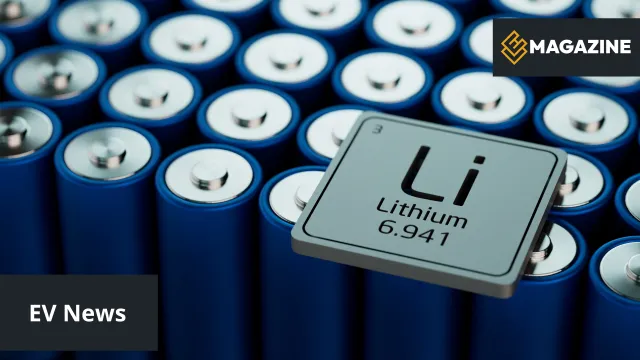
A separator is an extremely thin microporous membrane placed between the cathode and anode inside a lithium-ion cell. Its job is contradictory: it must physically prevent a short circuit while still letting lithium ions pass through. If it shrinks, tears, or melts, the cell can short internally; in a worst case that means thermal runaway.
That’s why specialist plants matter. Every one of the 67 models in our EV catalog relies on lithium-ion cells with separators like this — not just automotive cells, but the stationary storage packs that end up in battery charging cabinets and V2G pilots.
Wet-process and dry-process separators are not the same product. Dry-process Celgard is typically cheaper and mechanically robust; wet-process Hipore can be made thinner with a more uniform pore structure, which is why it tends to show up in high-energy-density automotive cells. Asahi Kasei is now betting it needs both made on the same continent.
This matters for high-power cells
We covered Geely’s plan for a 1,000-volt system and a claimed 10–80 % charge in 5.5 minutes. That kind of fast charging is not just a battery chemistry problem; it’s also a separator problem. High C-rates heat the cell unevenly and put mechanical stress on the membrane. If the separator does not hold up, a single micro-short can end the pack. The link is our earlier analysis of Geely’s 5.5-minute claim.
On the fire-safety side, when separators fail, people want a steel box that contains the result. We tested the Yolin battery charging cabinet (approx. €830), which is certified for 90 minutes of fire resistance and has six outlets. That kind of product is not a substitute for separator quality, but it is a useful second line of defence in garages and workshops.
Why this news is not just a Carolina story
Battery separator demand tracks cell production, and cell production is global. Europe’s own EV market is part of that demand: in July, EV sales across Europe rose 51% and took a quarter of the new-car market, as we reported. If North American and European cell plants keep ramping, separator suppliers will have to decide whether to fully localise or keep shipping film halfway around the world.
Asahi Kasei’s answer is regional: dry-process in Charlotte, wet-process coating in Charlotte, and a planned plant in Canada. The next real test is execution. The company has committed to commercial output from the new coating line in the second half of fiscal 2026; watch for a capacity figure and first customer announcements rather than a ribbon-cutting.