
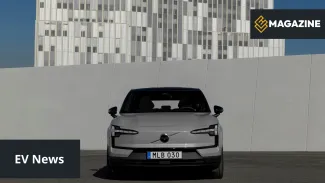
Swedish automaker Volvo Cars has announced its plan to build all of its future electric models on a single technological platform. This move is part of the company’s broader strategy in the field of electromobility.
Volvo’s Electrification Strategy
Volvo has committed to transitioning to a fully electric lineup by 2030. Introducing a unified platform for all its electric models is a key element of this strategy. The goal is to optimize the development and production of electric vehicles.
Potential Benefits of a Unified Platform
A unified platform could bring several advantages:
- Reduction in development and production costs through component standardization
- Faster development of new models
- Potential for lower end prices for consumers
- Faster implementation of new technologies across the model range
Technology and Safety
Volvo has long been known for its emphasis on safety. The new platform is designed to allow the integration of advanced safety systems and autonomous driving technologies. However, specific details on these systems have not yet been released.
Sustainability at the Forefront
Volvo states that the unified platform is part of its broader commitment to sustainability. The company has pledged to reduce emissions throughout the entire vehicle lifecycle, from production to recycling. However, detailed information on how the unified platform will contribute to sustainability has yet to be provided.
Comparison with Competitors
Volvo is not the only automaker focusing on electrification and adopting a unified platform approach. Tesla, for example, has successfully implemented a similar strategy with its Model 3 and Model Y, which share a significant number of components. This comparison suggests that Volvo's strategy could be viable if executed properly.
Future Challenges and Opportunities
While the unified platform offers numerous potential benefits, Volvo will face several challenges:
- The need to ensure sufficient differentiation between models for different market segments
- Adapting the platform flexibly to suit various vehicle types and market demands
- Competition from established automakers and new entrants in the electric vehicle market
Volvo’s strategy represents a significant step in the rapidly evolving field of electromobility. The true impact of this strategy on Volvo’s position in the global electric vehicle market will become clearer in the coming years, as specific models built on this new platform are introduced.